Uplifting lives and fostering hope every day
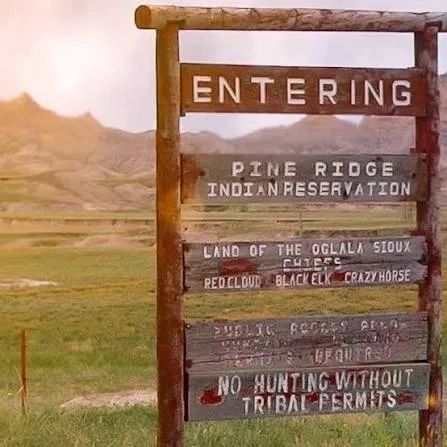
About the Pine Ridge Reservation

Community Need: Pine Ridge Demographics, Housing Crisis, and Youth Disparities
The Pine Ridge Indian Reservation faces some of the most severe social and economic disparities in the United States.
- Recent Census data estimates the enrolled member population at more than 52,000 Oglala Sioux Tribe members, with a median age of about 28
- The reservation’s per capita income is about $13,254
- Roughly 52 percent of residents live below the poverty line
- Children are especially affected, with estimated child poverty above 50%
- Employment access is also limited, with the Census Bureau reporting an employment rate of about 31%, compared with the national unemployment rate of 4.1% in July 2026.
These conditions are compounded by a long-standing housing crisis. Census data identifies about 5,189 housing units, while Oglala Sioux Lakota Housing reports operating about 1,130 affordable rental homes reservation-wide and managing more than 1,200 low-rent units, There are a little over 3,000 privately owned homes on the reservation. This means a large share of housing need is tied to tribally administered or government-supported housing.
Experienced professionals dedicated to your success.
Proven results that speak for themselves.

Community housing reports describe a shortage of safe, affordable, and healthy homes. Local housing needs have been described as severe, with estimates that thousands of additional homes are needed for low-income families. Overcrowding is common, with multiple families often sharing small homes, and many existing units are aging, substandard, or affected by infrastructure problems such as inadequate utilities, insulation, plumbing, or mold. This lack of stable housing directly affects health, school attendance, employment readiness, and family stability.
Youth on Pine Ridge experience these disparities at an early age. High poverty, crowded housing, limited transportation, limited paid work opportunities, and gaps in behavioral health and educational resources all create barriers for young people trying to build a stable future. Publicly available reports and community organizations have identified serious concerns related to youth mental health, school persistence, suicide prevention, and access to safe, structured activities. These challenges are not the result of individual failure; they are the product of historical trauma, persistent underinvestment, rural isolation, and a shortage of culturally grounded community resources.